
Uncategorized
Turn Packaging Into Your Most Valuable Media
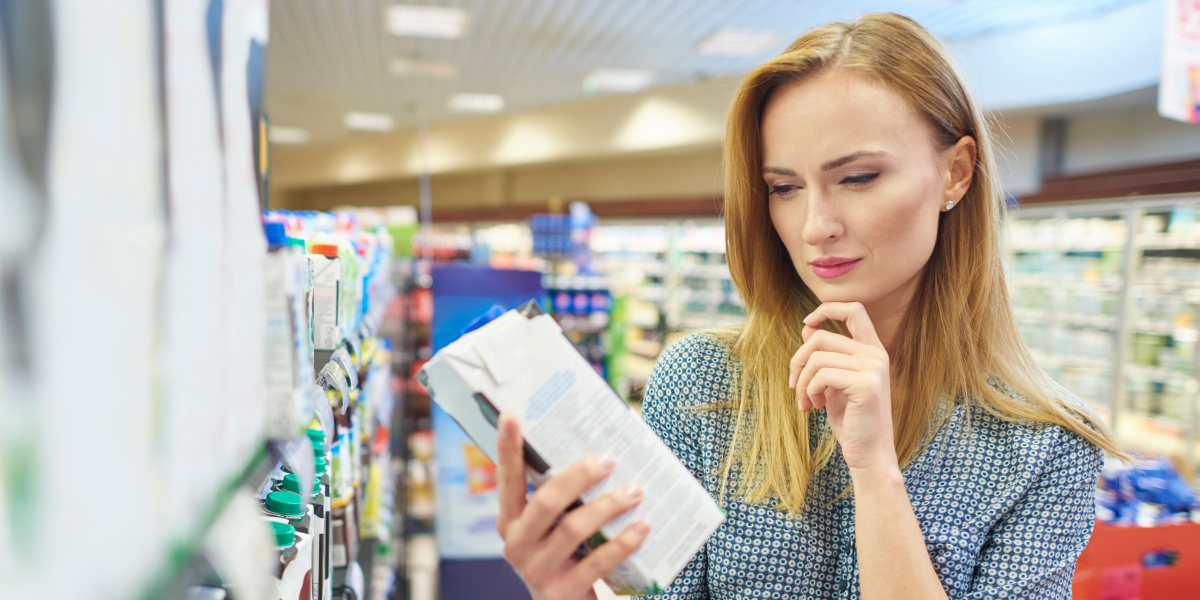
Can the pack itself become the media you trust most? Can it save you the marketing spend you pour into everything else? We think the answer is YES.…
Can the pack itself become the media you trust most? Can it save you the marketing spend you pour into everything else? We think the answer is YES.
Every brand buys attention. Search, social, influencers, retail media, the endcap you paid a premium to occupy. The invoice climbs every quarter, and the attention it buys rents by the second. There is one piece of media, though, that a brand already owns outright, that ships with every unit, and that meets the shopper at the exact moment money changes hands. It is the packaging. Most brands treat it as a container. The sharpest ones treat it as their highest-performing channel.
The shelf is where the decision actually happens
A television spot has 15 to 30 seconds to make its case. A print ad has 3 to 5. Packaging, by most measures, has less than two seconds to stop a hand mid-reach. That sounds like a disadvantage until you look at where those two seconds sit.
In 2005, Procter & Gamble named the moment a shopper first sees a product on the shelf the “First Moment of Truth” – the three to seven seconds in which recognition, judgment, and choice all happen at once. It mattered enough that P&G created a director-level role dedicated to it. The reason is simple: a very large share of purchase decisions are made in the store, at the point of choice, not before it. In-store field studies have put the rate of decisions made at the shelf as high as three in four for grocery.
Read those two facts together, and the conclusion is hard to avoid. The channels you pay for exist to walk the shopper to the shelf. The packaging is what closes the sale once they arrive. Every rupee of media before that moment is spent to earn an audience for the pack.
Packaging is the one touchpoint that cannot fail to show up
There is a quieter argument for packaging that rarely makes the pitch deck, and it may be the strongest one. Every other in-store asset depends on execution. The standee has to be built and placed. The shelf-strip has to survive a re-merchandise. The promotion has to be honoured by the store. Independent retail audits routinely find that planned secondary displays are correctly executed in only about half of outlets, and in some markets far fewer.
Packaging carries none of that risk. It is on every single unit, in every store, facing every shopper, without a compliance check. When the display is missing and the promotion has lapsed, the pack is still doing its job. That reliability is what makes it media you can plan around rather than hope for.
Good design is an emotional pull, not decoration
The instant a pack is noticed, it is already saying something. Research into shopper behaviour has shown that when price and brand familiarity are equal, and the product itself is unknown, the pack with the greater aesthetic appeal is the one most likely to be chosen. Shoppers, in other words, read quality off the surface and act on it before they have any other information.
That emotional read is what a strong pack converts into a decision. Colour signals the category and the promise. Structure and finish signal price tier. A clear hierarchy tells the eye what to trust first. None of this is ornament; it is the fastest argument a brand will ever make, delivered in the window where the argument is decided.
The pack keeps earning after the purchase
Paid media stops the moment the budget does. Packaging keeps working. It rides home in the bag, sits on the counter, and reappears every time the product is used – a small, repeated brand impression that no line item pays for. In the age of the unboxing video, it does more than that. A pack worth photographing becomes content the brand did not commission and does not own the reach of, seen by audiences a paid campaign would charge dearly to reach. That is earned media generated by an asset the brand had already produced.
How to make packaging perform like media
Treating the pack as a channel changes how it is briefed. A few disciplines make the difference:
- Design for the shelf, not the boardroom: Packs get approved on a clean desk under good light, then bought in a crowded aisle at arm’s length. Test the design in shelf context, against the competitors it will actually stand beside, before it is signed off.
- Decide the top three things the pack must say: A pack that tries to say everything says nothing in two seconds. Naming the three elements that must land – the brand, the benefit, the variant, usually, sharpens every design decision that follows.
- Lead with image over text: The brain processes images far faster than words. Where an icon or a visual can carry the message, it will land inside the window that copy cannot.
- Build for the portfolio, not the pack: A design system that holds across every SKU turns each new launch into free reinforcement of the brand block, rather than a fresh cost to be recognised.
The bottom line
Packaging is the rare piece of media a brand owns forever, deploys everywhere, and cannot fail to execute, meeting the shopper at the one moment when the decision is genuinely live. Designed as an afterthought, it is a cost. Designed as a channel, it is the most valuable media a consumer brand has, and often the cheapest per impression it will ever run. The question worth asking is not what your packaging costs. It is how hard you are making it work.